AGVs
Automated guided vehicles.
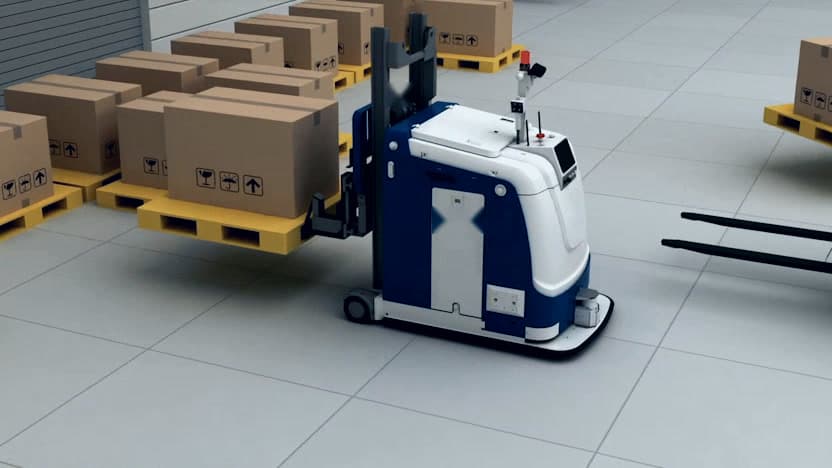
Fixed-route transport for predictable, high-volume material flow.

Logistics automation
BriteLab applies semiconductor robotics engineering to AGVs, AMRs, and automated forklifts for industrial material movement.
01Why automate material flow
Autonomous material handling keeps pallets, parts, and work-in-process moving across shifts. Operators gain consistent flow, defined handoffs, and more predictable throughput across the existing floor.
02What we build
Fixed-route transport for predictable, high-volume material flow.
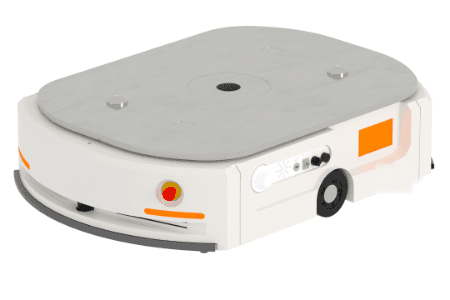
Vehicles that navigate dynamically around people and obstacles, rerouting on the fly.
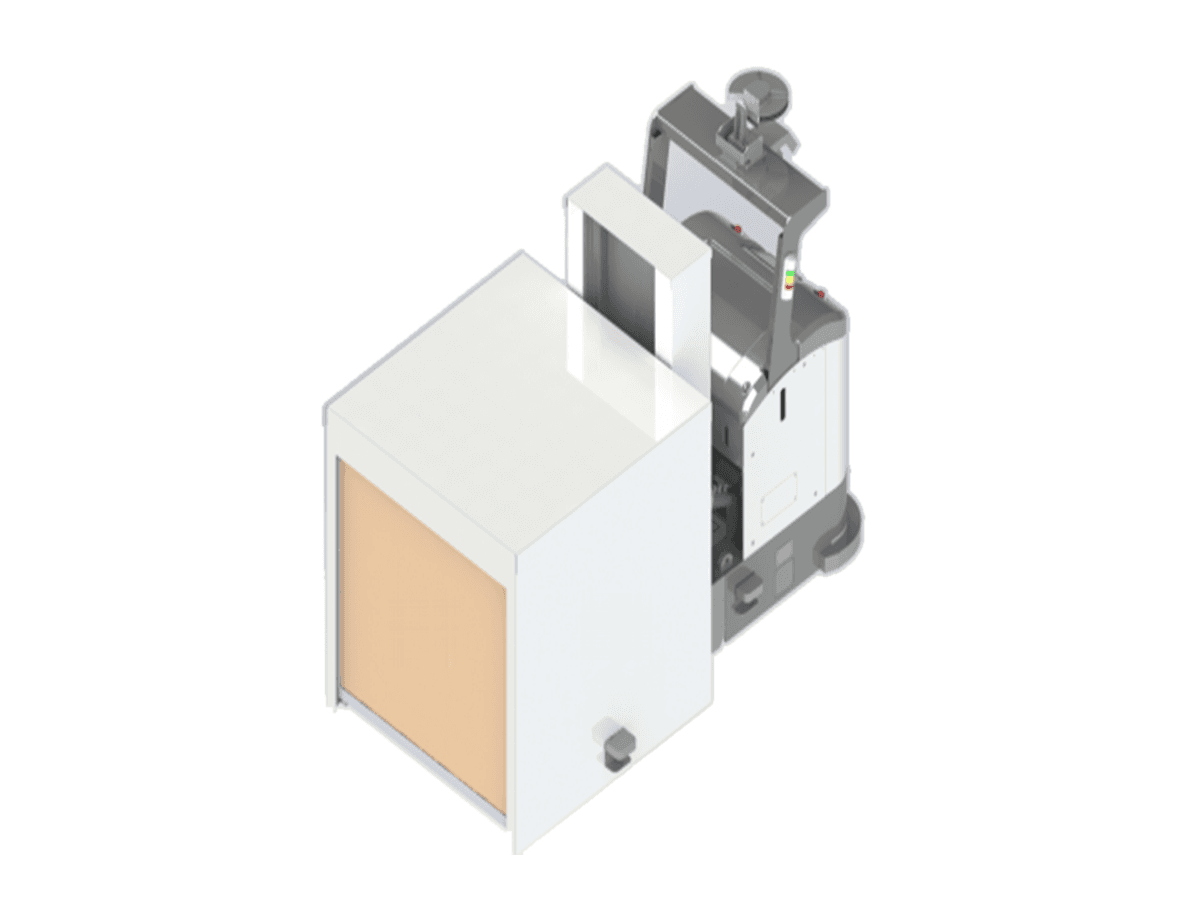
Driverless lift trucks for pallet handling in factories and distribution centers.
03The fleet
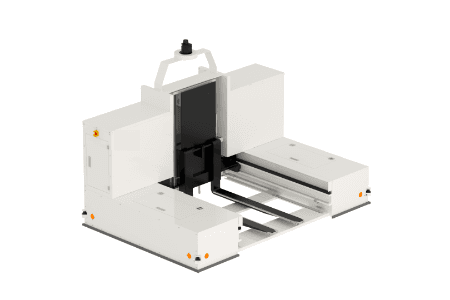
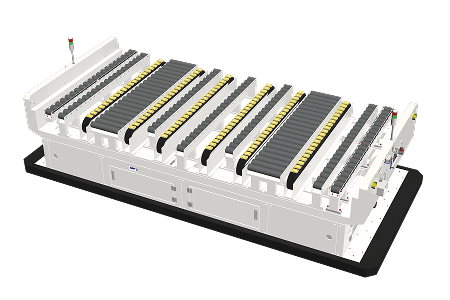
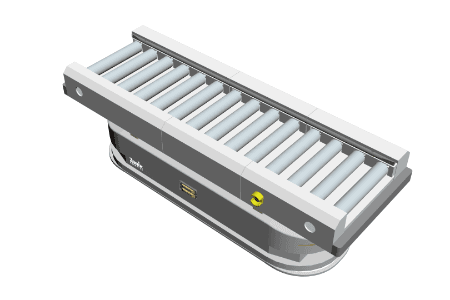
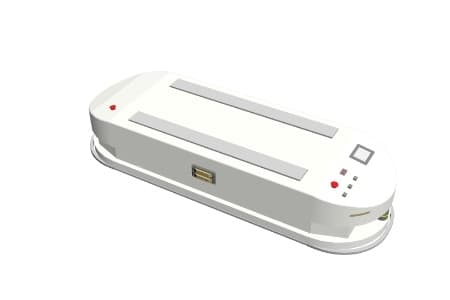
A range of vehicles engineered around how material actually moves through a plant.
04The material flow
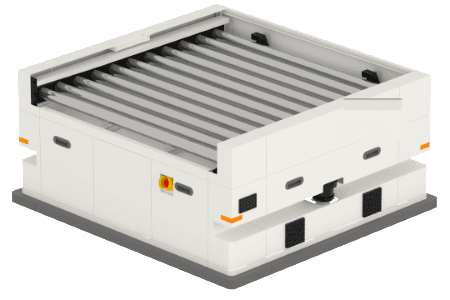
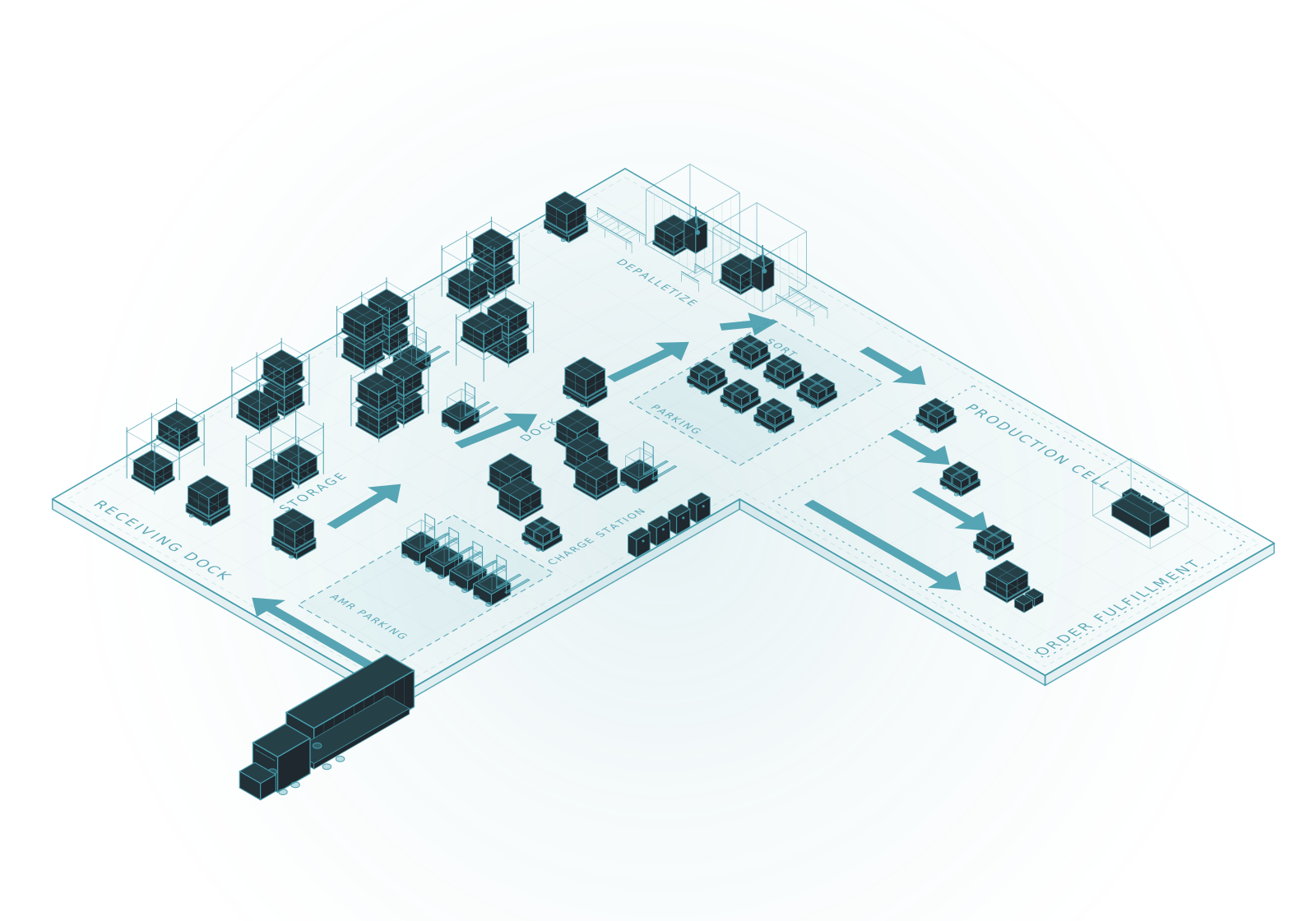
Pallet movers, box movers, and automated forklifts share a single routing layer. Pallets come in at receiving, move to storage, feed the de-palletizer, and sorted boxes run to the production cell.
05Peakaso · AI digital twin
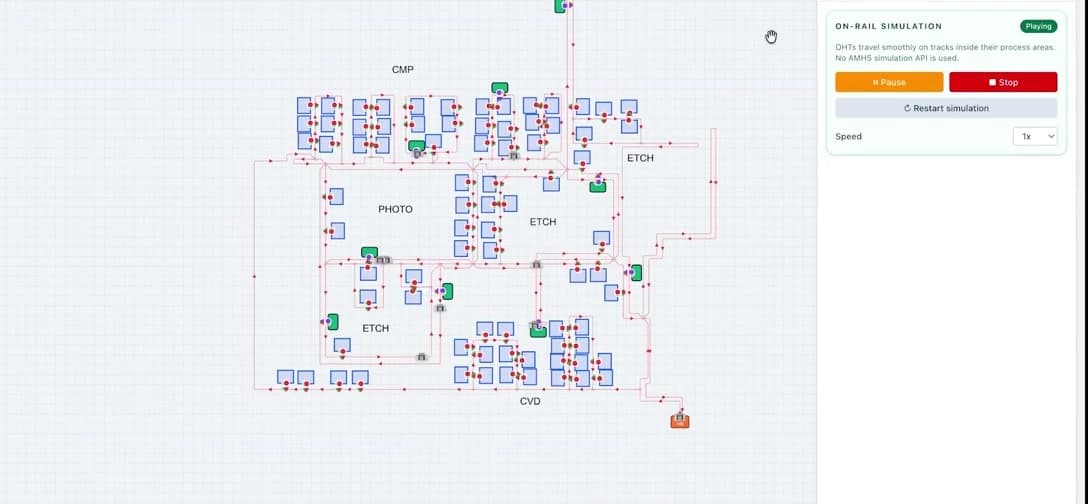
Peakaso is BriteLab's digital twin platform, enabling customers to design, validate, and operate automated material handling systems on a single model. Fab configurations are simulated before capital is deployed, ensuring the solution is optimized upfront. Once operational, the model evolves into a live digital twin that supports ongoing monitoring, forecasting, and continuous improvement.
A fleet is sized, routed, and costed against a floor plan long before a vehicle is ordered, and a drawing cannot say whether the aisles, the dock, and the shift pattern support it.
06Ziqqur audit trail
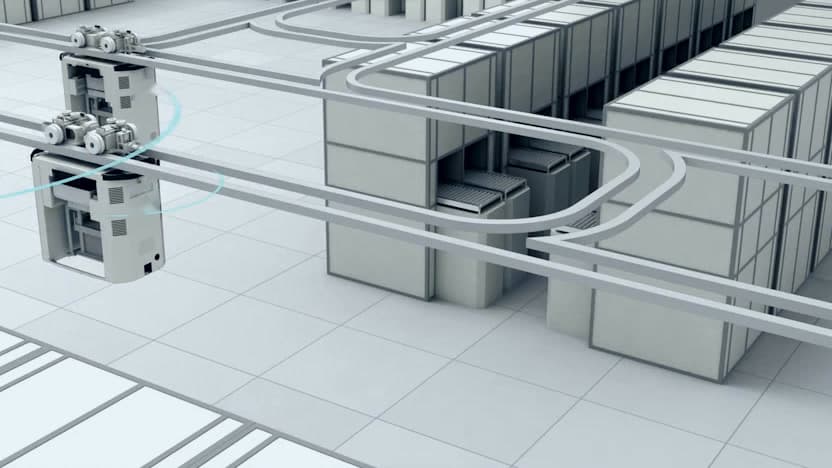
Ziqqur delivers continuous operational traceability across the entire automation system. Working beneath Peakaso, it records every command, routing decision, and material transfer in real time, preserving a complete history of system behavior.
As a result, fabs can investigate any point in time and determine precisely what occurred and why. When a carrier waits, a route changes, or a hoist is held, the evidence is preserved in the audit trail, replacing guesswork and post-shift reconstruction with verifiable facts.
07Why BriteLab
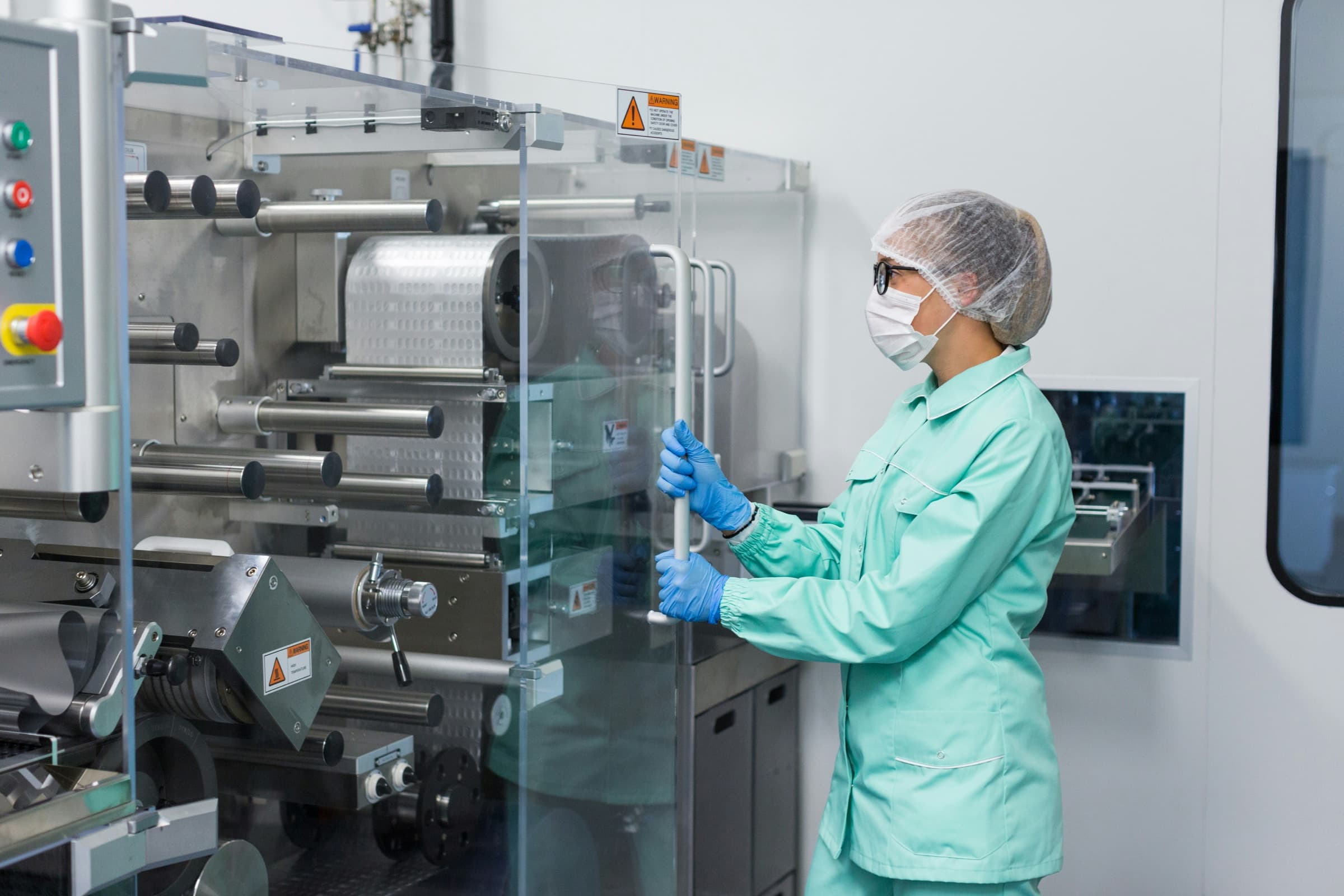
Semiconductor cleanrooms demand precise motion, contamination control, and long duty cycles. BriteLab applies that engineering discipline to warehouse and factory transport, where uptime and repeatable material flow drive output.